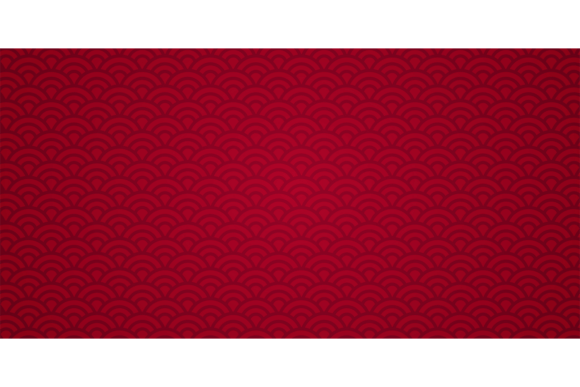
Red Scales Pattern in Chinese Style: A Designer’s Real-World Review
First Impressions: Bold, Cultural, and Visually Rich
Opening up the Red Scales Pattern in Chinese Style. Dec, I was immediately drawn to its vibrant energy and traditional aesthetic. The design mimics the look of ornate fish scales, arranged in a flowing, symmetrical layout that feels both decorative and purposeful. It’s the kind of pattern that instantly evokes imagery of dragon motifs, traditional banners, and embroidered silks—perfect for projects that lean into cultural heritage or Eastern-inspired themes.
From a design standpoint, this pattern works well as a background or accent element. It’s not too busy to overwhelm a garment or product, but it carries enough detail to stand out. That makes it ideal for crafters and Etsy sellers looking to add a touch of elegance without sacrificing usability.
Real-World Use: From Tote Bags to Sweatshirts
I tested the Red Scales Pattern in Chinese Style. Dec on a few different real-life projects. First, I stitched it onto a cotton tote bag. The result was stunning—crisp lines, clean transitions between the scale layers, and a rich red that popped against the natural fabric. It gave the bag a boutique-level finish that would definitely appeal to customers browsing handmade shops.
Next, I tried it on a medium-weight sweatshirt. The texture of the fabric helped blend any minor stitch imperfections, and the overall effect was warm and luxurious. It worked especially well as a full-back design, adding visual weight without looking cluttered. For small business owners creating seasonal collections or personalized gifts, this pattern could easily become a go-to.
When scaled down slightly, it also made a beautiful accent on a baby onesie—placed just above the hemline. The design’s symmetry and clean layout translated well into smaller sizes without losing its impact. That said, I’d recommend testing it on scrap fabric first if you're planning to use it on thin or stretchy materials.
Where to Use It Carefully
While the Red Scales Pattern in Chinese Style. Dec is versatile, it’s not a one-size-fits-all solution. On dark fabrics, the red tones may not stand out as sharply, especially if the stitching isn’t perfectly tight. You’ll want to double-check your thread color contrast and possibly adjust the design’s saturation if you're aiming for high visibility.
It also requires a bit more attention when used on curved surfaces like baseball caps or cylindrical items like tea towels. The pattern’s symmetry can get distorted if not properly adjusted for the fabric’s curve or tension during stitching. I noticed slight pulling on stretchy knits, so using the right stabilizer is crucial here.
For small hoop sizes, consider simplifying or trimming the edges. The corners of the design are detailed, and they might not translate well if the hoop is too restrictive. If you're making embroidered patches or small applique designs, test how the pattern reads at reduced sizes before committing to production.
Visual Impact and Customer Appeal
This pattern brings a strong visual presence to any project. Whether it’s stitched onto a boutique sweatshirt or printed as a mockup for digital embroidery files, the Red Scales Pattern in Chinese Style. Dec elevates the perceived value of the finished product. Customers often associate intricate, culturally-inspired designs with quality and craftsmanship—making this a smart choice for sellers aiming to build brand trust and recognition.
From a gift perspective, it’s a winner. The design has a timeless feel that works for both holiday gifts and personalized keepsakes. I can easily picture it embroidered on a pillow cover for a nursery or stitched onto a custom wedding handkerchief. It adds a touch of tradition without feeling outdated.
Practical Notes for Embroidery Designers
If you're planning to use the Red Scales Pattern in Chinese Style. Dec in your work, here are a few practical tips to keep in mind:
- Test on scrap fabric first, especially if you're using textured or stretchy materials.
- Check thread color contrast if you're stitching on dark or patterned fabrics.
- Review stitch density to avoid puckering or fabric distortion.
- Confirm hoop size compatibility before stitching on small or curved items.
- Inspect small details like corners and transitions, especially at reduced sizes.
- Try black and white mockups to evaluate the pattern’s contrast and clarity.
- Compare light and dark backgrounds to see which brings out the best in the design.
- Use the proper stabilizer for the fabric type—especially important for stretchy or thin materials.
- Verify licensing terms before selling finished items or including it in digital product bundles.
Final Thoughts: Worth the Investment for Creative Makers
Overall, the Red Scales Pattern in Chinese Style. Dec is a solid addition to any embroidery designer’s toolkit. It offers flexibility across a wide range of products—from sweatshirt embroidery to boutique tote bags—and brings a cultural flair that stands out in a crowded handmade market.
For Etsy sellers, small shop owners, and creative entrepreneurs, this design can help elevate your offerings without requiring advanced digitizing skills. Just remember to test it thoroughly, adjust for fabric type and hoop size, and use it in a way that complements your brand’s aesthetic.
If you're looking for a machine embroidery design that balances tradition with modern usability, the Red Scales Pattern in Chinese Style. Dec is definitely worth considering.